
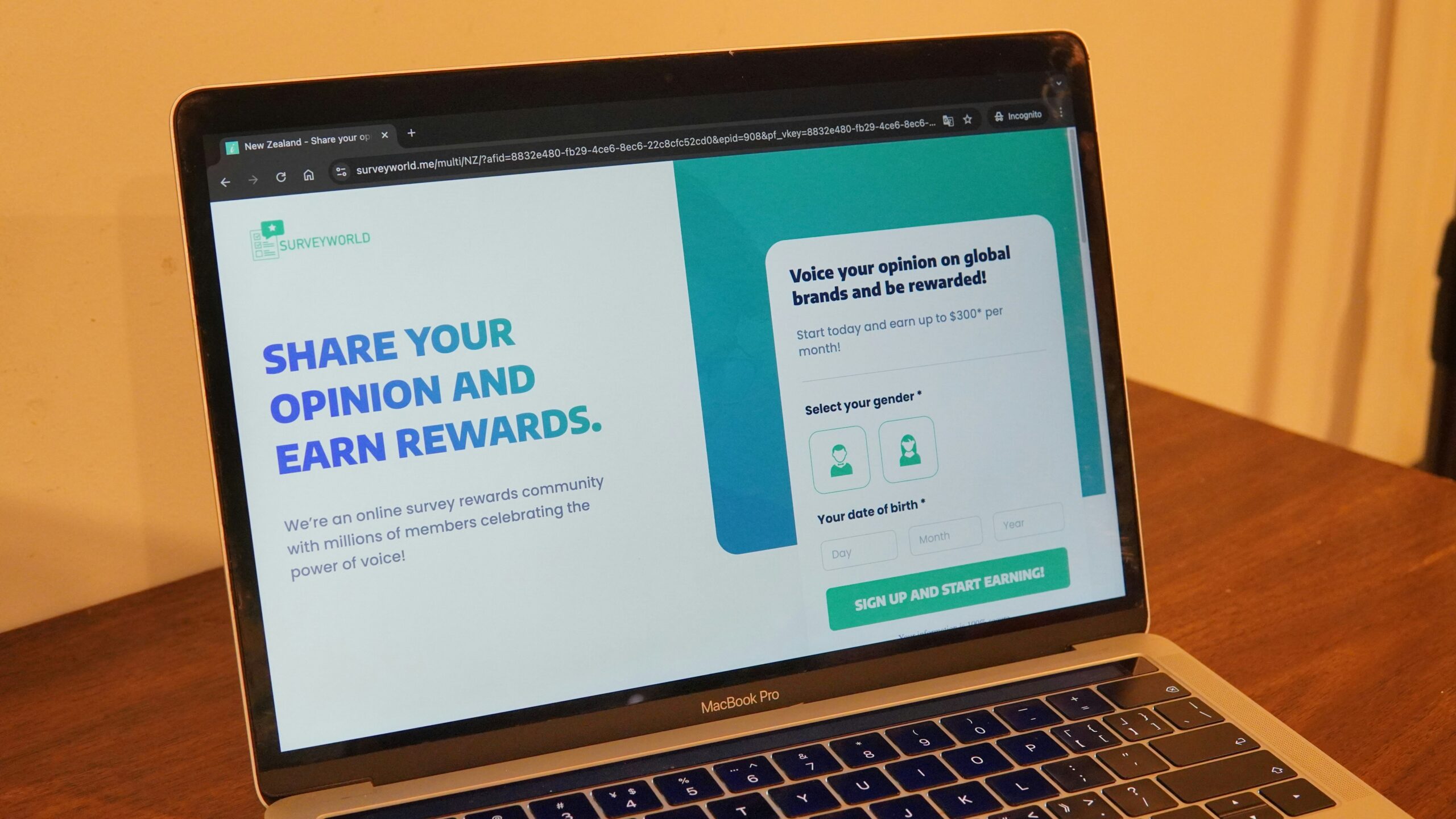
50 Websites to Earn Money Without Investment for Students in India
Looking for a website to earn money without investment for students free in India? You don’t need to buy products, pay for an expensive course, or start a business to explore legitimate ways of earning online.
You can earn by offering freelance services, teaching a subject, applying for paid internships, testing websites, or creating useful digital products.
The challenge is finding opportunities that are actually worth your time.
Some websites connect you with paying clients. Others offer occasional tasks, while content platforms may take months to generate income. The right choice depends on your skills, available time, and how quickly you need to earn.
In this guide, you’ll find 50 websites, how to get started with each, real-world success stories where useful, and practical advice for choosing your first opportunity.
Which websites should you try first?
| Website | Best for | Earning method |
|---|---|---|
| Fiverr | Freelancers | Sell services |
| Upwork | Skilled students | Client projects |
| Internshala | College students | Paid internships |
| Superprof | Tutors | Teach online |
| Chegg India | Subject experts | Eligible expert assignments |
| Clickworker | Beginners | Small online tasks |
| OneForma | Language and AI work | Project-based tasks |
| uTest | Tech enthusiasts | Software testing |
| YouTube | Content creators | Creator monetisation |
| Gumroad | Digital creators | Sell digital products |
1. Freelancing websites
Freelancing allows you to sell a skill without setting up a traditional business. You could write articles, design social media posts, edit videos, or help businesses with simple website tasks.
1. Fiverr
Website: fiverr.com
Fiverr lets you create service listings that potential clients can purchase. Beginners can offer Canva designs, short-video editing, proofreading, presentation design, or simple WordPress services.
How to start: Choose one service, create three samples, and publish a listing explaining exactly what the buyer receives.
Success story: Fiverr is built around selling individual services, but a useful lesson comes from the broader freelance market: specialised services are easier to demonstrate than vague promises. Start with one deliverable, such as five social media graphics, and build from there.
2. Upwork
Website: upwork.com
Upwork connects freelancers with businesses seeking writers, designers, developers, researchers, and virtual assistants.
How to start: Search for small projects that match your abilities. Write personalised proposals and include relevant work samples. Remember that proposals may require paid Connects.
Success story: Freelancer Adriana Danaila developed her illustration and design career through online freelancing. Her journey, featured by Upwork, demonstrates how building skills and completing client projects can develop into a professional career. Read her story.
3. Freelancer.com
Website: freelancer.com
This platform lets you bid on projects involving writing, design, programming, research, and data-related work.
How to start: Look for small, clearly defined projects. Check bidding limits and fees before relying on the free account.
Practical example: If you know Excel, you could offer spreadsheet formatting or data cleanup rather than competing immediately for advanced financial-analysis projects.
4. Truelancer
Website: truelancer.com
Truelancer lists freelance projects in areas such as content writing, graphic design, programming, and digital marketing.
How to start: Build a profile around one or two services. Include samples that demonstrate your ability to deliver the work.
Practical example: A student who understands Canva could create a portfolio of promotional posts for fictional cafes and then approach relevant clients with those samples.
5. Contra
Website: contra.com
Contra helps independent professionals showcase portfolios and connect with clients. It is especially relevant to designers, developers, and other creative professionals.
How to start: Create a portfolio with a few strong projects and explain the problem each project solves.
Practical example: Build a sample landing page for a local business to demonstrate your web-design ability before approaching real clients.
6. Guru
Website: guru.com
Guru connects businesses with freelancers across writing, programming, administration, design, and other professional services.
How to start: Find projects that match your existing skills, review the payment terms, and submit relevant proposals.
Practical example: A commerce student could offer invoice formatting, spreadsheet organisation, or basic administrative support to small businesses.
7. PeoplePerHour
Website: peopleperhour.com
PeoplePerHour offers freelance opportunities in writing, marketing, design, and technology.
How to start: Create a portfolio and check whether suitable projects are open to freelancers in India.
Practical example: If you can edit short videos, prepare a sample showing captions, cuts, and basic audio improvements to demonstrate what clients can expect.
8. Workana
Website: workana.com
Workana connects clients and freelancers for project-based work.
How to start: Explore available projects and check their language, location, and payment requirements.
Practical example: Students with writing or design experience can use a focused portfolio to demonstrate their work rather than relying on a generic profile.
9. 99designs
Website: 99designs.com
99designs specialises in design work, including logos, brand identity, packaging, and other creative projects.
How to start: Develop a small portfolio showing your design process and final results.
Practical example: Create three fictional brand identities for different businesses to demonstrate your approach to colours, typography, and visual consistency.
10. DesignCrowd
Website: designcrowd.com
DesignCrowd allows clients to commission logos, graphics, and other creative work.
How to start: Review the requirements and rules of each project before submitting concepts. Some opportunities involve competition with other designers.
Practical example: If you’re learning graphic design, create a small portfolio first so you can demonstrate your style without spending hours on unpaid submissions.
2. Online tutoring websites
If you’re good at mathematics, science, English, accounting, or another subject, tutoring can turn knowledge you already have into income.
11. Superprof
Website: superprof.co.in
Superprof connects tutors with learners across academic subjects and practical skills.
How to start: Choose the learner level you can teach confidently and prepare a sample lesson.
Practical example: A college student strong in Class 10 mathematics could offer chapter-specific revision sessions and practice questions.
12. UrbanPro
Website: urbanpro.com
UrbanPro helps learners find tutors for academic and professional subjects.
How to start: Create a profile explaining your subject knowledge, teaching approach, and availability. Check current lead-access charges.
Practical example: If you’re good at spoken English, prepare a structured beginner lesson covering introductions, common conversations, and pronunciation.
13. Preply
Website: preply.com
Preply connects language tutors with learners who want to improve their communication skills.
How to start: Review tutor eligibility, commissions, and payment rules for Indian applicants.
Practical example: If you qualify to teach a language, prepare a short lesson demonstrating how you would help a beginner progress from basic vocabulary to conversation.
14. TeacherOn
Website: teacheron.com
TeacherOn connects tutors with learners seeking help in academic and professional subjects.
How to start: Specify the subjects and levels you can teach and check any charges associated with contacting students.
Practical example: A student who understands introductory programming could prepare lessons explaining variables, loops, and basic debugging.
15. Wyzant
Website: wyzant.com
Wyzant is a tutoring marketplace primarily serving the US market.
How to start: Confirm that you can register and receive payment from India before spending time on an application.
Practical example: If you are eligible and have strong subject knowledge, prepare a sample lesson and a clear tutoring profile.
16. Studypool
Website: studypool.com
Studypool has offered academic Q&A and tutoring-related opportunities.
How to start: Check current expert requirements, available tasks, and academic integrity rules.
Practical example: You could explain a difficult economics concept through a worked example, helping learners understand the reasoning rather than simply supplying an answer to submit.
17. Chegg India
Website: cheggindia.com
Chegg has offered opportunities for subject experts to answer academic questions and perform other specialist assignments.
How to start: Review available roles, eligibility, identity verification, and payment requirements. Some expert arrangements require a valid Indian PAN and applicants to be at least 18.
Practical example: Someone with strong accounting knowledge could investigate relevant expert opportunities and practise explaining accounting concepts clearly before applying.
18. Course Hero
Website: coursehero.com
Course Hero has offered tutoring and educational-content opportunities.
How to start: Review the current contributor requirements and follow academic integrity rules.
Practical example: If you understand biology, practise creating original diagrams and explanations that help students learn difficult concepts.
19. Khan Academy
Website: khanacademy.org
Khan Academy is a free learning resource rather than a direct earning website.
How to use it: Strengthen your knowledge in a subject, then seek paid tutoring opportunities elsewhere.
Practical example: A student can revise algebra using free lessons, create practice questions, and use that preparation to improve the quality of their tutoring.
20. LearnPick
Website: learnpick.in
LearnPick helps students find tutors across different subjects.
How to start: Create a focused profile and verify current fees and lead-access arrangements.
Practical example: If you’re confident in chemistry, offer lessons around a specific topic instead of claiming to teach every science subject.
3. Internship and remote-job websites
If you want both income and professional experience, paid internships can be a strong starting point. They can also help you develop skills that improve your future earning potential.
21. Internshala
Website: internshala.com
Internshala lists internships in marketing, writing, finance, programming, and other fields.
How to start: Prepare a resume, filter for paid and remote internships, and apply to suitable roles.
Practical example: A student who knows Canva and basic social media management could create sample posts and apply for a social media internship.
22. LinkedIn Jobs
Website: linkedin.com/jobs
LinkedIn lists internships, remote roles, and entry-level positions.
How to start: Search for terms such as “remote content writing intern,” “part-time marketing intern,” or “virtual assistant.”
Practical example: A student interested in digital marketing can create a sample campaign plan and use it to demonstrate initiative when applying to small companies.
23. Indeed India
Website: in.indeed.com
Indeed lists jobs across industries, including part-time and entry-level opportunities.
How to start: Search for remote work and check shift requirements, eligibility, and compensation carefully.
Practical example: Students with strong communication skills can explore customer support or administrative positions that fit around their classes.
24. Naukri.com
Website: naukri.com
Naukri is a job portal for entry-level and experienced professionals.
How to start: Create a clear resume and search for internships, trainee positions, and suitable part-time work.
Practical example: A commerce graduate could highlight Excel, accounting coursework, and relevant projects when applying for junior operations roles.
25. Apna
Website: apna.co
Apna lists employment opportunities across multiple categories in India.
How to start: Search for part-time or work-from-home jobs and verify the employer and working hours.
Practical example: Students can investigate customer support or entry-level administrative roles that don’t conflict with their class schedules.
26. Wellfound
Website: wellfound.com
Wellfound focuses on startup jobs, including opportunities in marketing, technology, design, and operations.
How to start: Identify startups where your existing skills match an advertised position.
Practical example: A student who can edit videos could prepare a sample product demonstration and approach startups that publish video content.
27. FlexJobs
Website: flexjobs.com
FlexJobs focuses on remote and flexible job listings.
How to start: Check its subscription requirements before using it. Free job portals may be better for students with no budget.
Practical example: If you’re looking for flexible employment, compare job requirements and expected hours before applying.
28. Remotive
Website: remotive.com
Remotive helps users discover remote jobs, particularly in digital and technology-related fields.
How to start: Search for roles matching your abilities and verify country restrictions.
Practical example: Students with writing or marketing skills can explore remote opportunities that require those abilities rather than applying indiscriminately.
4. Microtasks, AI work, and online research
Microtask platforms may offer flexible assignments, but work availability can fluctuate. They’re best treated as opportunities to investigate rather than guaranteed monthly income.
29. Clickworker
Website: clickworker.com
Clickworker has offered tasks involving text, categorisation, data, and online research.
How to start: Complete your profile and check which tasks and payment methods are available to your account in India.
Practical example: You may be able to complete a small categorisation task in a short session, depending on available work.
30. OneForma
Website: oneforma.com
OneForma offers project-based work that may involve language tasks, data collection, and annotation.
How to start: Search for projects that match your language skills and complete the required assessments.
Practical example: A multilingual student could investigate language-related projects and prepare for the qualification tests.
31. CrowdGen by Appen
Website: crowdgen.com
CrowdGen offers projects related to AI training and data work.
How to start: Review the official openings and confirm that the project accepts applicants from India.
Practical example: If a project involves evaluating search results, you may need to demonstrate careful reading and consistent judgement.
32. TELUS Digital AI Community
Website: telusdigital.com/careers/ai-community
TELUS Digital has advertised project-based work involving search evaluation, language, and AI-related data.
How to start: Check current openings and complete the required assessments.
Practical example: A strong reader may investigate search-evaluation roles, while someone with technical expertise may find other relevant projects.
33. Toloka
Website: toloka.ai
Toloka has offered online data-labelling and categorisation tasks.
How to start: Check current task availability and withdrawal options for India.
Practical example: If eligible tasks are available, try a small assignment first and calculate how much time it takes relative to the reward.
34. DataAnnotation
Website: dataannotation.tech
DataAnnotation has offered work involving AI response evaluation, writing, reasoning, and coding.
How to start: Review current geographic eligibility and assessment requirements.
Practical example: Someone with strong writing skills could practise evaluating an answer for accuracy, clarity, and completeness before applying.
35. Outlier
Website: outlier.ai
Outlier offers project-based AI work that can involve writing, evaluating responses, and applying specialist knowledge.
How to start: Check available roles, country eligibility, and required qualifications.
Practical example: A student with strong mathematics knowledge could investigate relevant subject-specific opportunities if they meet the requirements.
36. uTest
Website: utest.com
uTest connects testers with software-testing projects.
How to start: Learn basic testing principles, complete your profile, and investigate available projects.
Practical example: Test a website by checking its forms, navigation, and mobile layout. Learn to write bug reports that explain the problem and how to reproduce it.
37. Test IO
Website: test.io
Test IO has offered opportunities to test websites and applications and report bugs.
How to start: Check tester eligibility, equipment requirements, and payment terms.
Practical example: Practise documenting a broken link or an error in a sample website before applying for real testing work.
38. Prolific
Website: prolific.com
Prolific connects eligible participants with academic and other research studies.
How to start: Check whether registration is open to Indian participants and review the current payment requirements.
Practical example: If you qualify for a study, complete it carefully and track the time spent to evaluate whether the reward is worthwhile.
39. UserTesting
Website: usertesting.com
UserTesting has offered paid usability tests involving websites, apps, and digital products.
How to start: Check contributor eligibility, complete any required sample test, and confirm payment arrangements.
Practical example: A usability test may ask you to navigate a website and explain what you find confusing. Clear, thoughtful feedback is essential.
40. Userlytics
Website: userlytics.com
Userlytics offers usability-testing opportunities.
How to start: Confirm availability in India and follow the instructions for eligible tests.
Practical example: You might be asked to explore an application and explain how easily you can complete a task. Check the test requirements before beginning.
5. Content creation and online business websites
These platforms can help you build longer-term income streams. However, most require an audience, a useful product, or consistent effort before earnings become meaningful.
41. YouTube
Website: youtube.com
YouTube lets creators publish videos and potentially earn through eligible advertising, memberships, and other monetisation features.
How to start: Use equipment you already own and focus on a specific audience, such as students learning Excel or beginners learning graphic design.
Success story: Indian creator Prajakta Koli built the YouTube channel MostlySane by creating relatable comedy and lifestyle content. Her career later expanded into acting and other opportunities. Her journey shows how consistently publishing content can build an audience and open doors beyond the original platform. Explore her channel.
42. Medium
Website: medium.com
Medium lets you publish articles, essays, and tutorials. Eligible writers may earn through the Partner Program, depending on current requirements.
How to start: Write useful articles about a topic you understand, such as study methods, technology tutorials, or career skills.
Practical example: Publish a series explaining how beginners can use Excel. Over time, those articles can become a portfolio for freelance writing opportunities as well.
43. Blogger
Website: blogger.com
Blogger is a free blogging platform that lets you publish articles without buying separate hosting.
How to start: Choose one audience, answer its questions thoroughly, and organise your articles into useful categories.
Practical example: A blog focused on free online tools for Indian students could cover productivity apps, internship resources, and beginner-friendly digital skills.
How you can earn: Eligible advertising, affiliate partnerships, sponsorships, or services may become options as your audience grows.
44. WordPress.com
Website: wordpress.com
WordPress.com offers website and blog publishing tools, including free-plan options.
How to start: Publish useful content and learn the basics of search-friendly titles, internal links, and clear article structure.
Practical example: Create a focused blog around one topic, such as student budgeting, and build a collection of genuinely useful articles.
45. Substack
Website: substack.com
Substack lets creators publish newsletters and potentially earn through paid subscriptions where eligible.
How to start: Pick a topic readers want to follow regularly and begin with useful free issues.
Practical example: A student could create a weekly newsletter summarising free learning resources, internships, and practical career advice.
46. Amazon Associates India
Website: affiliate-program.amazon.in
Amazon Associates allows eligible participants to earn commissions from qualifying purchases through affiliate links.
How to start: Create useful product comparisons for a specific audience and follow the programme’s eligibility and disclosure rules.
Success story: Affiliate marketing has helped publishers build businesses by connecting useful content with relevant products. A well-known example is Pat Flynn, who documented growing his online business through educational content, affiliate recommendations, and transparent income reports on Smart Passive Income. His results came from building an audience and a business over time, not simply placing links on a new website.
47. EarnKaro
Website: earnkaro.com
EarnKaro lets eligible users earn commissions from qualifying purchases through tracked affiliate links.
How to start: Share useful offers with people who may genuinely benefit from them instead of spamming groups.
Practical example: If you run a student deals page, compare products based on usefulness and price, and clearly disclose affiliate links.
48. Gumroad
Website: gumroad.com
Gumroad lets creators sell digital products such as templates, guides, art, and downloadable resources.
Success story: Artist Floortje Visser, known as Art With Flo, built a digital-art business selling products such as Procreate brushes. Gumroad reported that she had reached six-figure sales, and she described how her YouTube tutorials helped people discover her products. Read her story.
How to start: Create a useful digital product, such as a study planner, spreadsheet, template, or original guide. Start small and learn what your audience actually wants.
49. Ko-fi
Website: ko-fi.com
Ko-fi allows eligible creators to receive support and, depending on available features, sell digital products or memberships.
How to start: Share original work such as illustrations, writing, or useful resources, and check the payment options available in India.
Practical example: An artist could publish free sample illustrations and offer additional original designs to supporters.
50. itch.io
Website: itch.io
itch.io allows independent creators to publish games and other digital projects.
How to start: Create a small original game, a digital art pack, or an interactive project and share it with the relevant community.
Practical example: A student learning game development could publish a short playable game to build a portfolio and potentially receive sales or voluntary payments.
Which website should you choose?
The best option depends on your immediate goal.
| Your situation | Start with |
|---|---|
| You need a job or stipend | Internshala, LinkedIn Jobs |
| You can write, design, or edit | Fiverr, Upwork |
| You’re good at a school subject | Superprof, TeacherOn |
| You want flexible tasks | Clickworker, OneForma |
| You enjoy testing software | uTest, Test IO |
| You enjoy writing | Medium, Blogger |
| You want to sell digital products | Gumroad |
| You want to build an audience | YouTube |
| You want affiliate income | Amazon Associates, EarnKaro |
You don’t need to register on all 50 websites. Choose one primary option and one backup, then spend your time building the skill or portfolio that will help you earn.
Five online earning scams to avoid
- Registration fees: Never pay an unverified recruiter to secure a job.
- Deposit-to-withdraw schemes: Don’t deposit money to unlock supposed earnings.
- Fake data-entry contracts: Avoid unclear penalties and unrealistic promises.
- Fake recruiters: Verify job offers through official company websites.
- Guaranteed daily income: Be sceptical of claims promising effortless money.
Never share your OTP, UPI PIN, or banking password with a recruiter.
A simple seven-day plan
Day 1: Choose one earning route based on your skills.
Day 2: Prepare a resume, portfolio sample, or lesson plan.
Day 3: Create one or two relevant accounts and check eligibility.
Day 4: Apply for suitable jobs or projects.
Day 5: Improve your profile and work samples.
Day 6: Apply to a few more opportunities.
Day 7: Review responses, time spent, and money actually received.
Treat the first week as an experiment. Your objective is to discover a realistic earning path, not to meet an arbitrary income promise.
Frequently asked questions
Which website is best for students in India?
Internshala is a good starting point for internships, Fiverr for freelance services, and Superprof for tutoring. Choose according to your skills and eligibility.
Can I earn ₹500 per day without investment?
Some students earn that amount through paid work, but there is no reliable guarantee for beginners. Focus on finding repeatable work rather than chasing a promised daily income.
Can I earn using only my phone?
Some content creation, tutoring, and online tasks can be done on a phone. Many professional jobs and testing projects require a computer.
Which websites pay through UPI?
Payment methods vary. Check each platform’s official payment information rather than assuming it supports UPI.
Can students under 18 earn online?
Age requirements vary by platform and activity. Check the terms and never falsify your age or use another person’s identity to bypass verification.
Are these websites guaranteed to pay?
No. Eligibility, available work, quality requirements, and payment terms vary. Verify the current conditions before committing your time.
Final thoughts
You don’t need to chase every trending earning app to start making money online.
If you need income sooner, explore paid internships, tutoring, and freelance work. If you have time to build something longer term, consider blogging, YouTube, or digital products.
The success stories in this guide demonstrate what can happen when people build useful skills, create something valuable, and consistently reach an audience. Their results aren’t typical earnings guarantees, but they offer practical lessons worth learning.
Start with one website, one useful skill, and one measurable goal. That’s a better first step than signing up for 50 platforms and hoping money appears.
At MindVaultHub, the goal is to help you make informed decisions about online opportunities — without misleading income promises.





3 Comments